Dating Profile Photos and Prompts: Make Them Work Together
Let the words add something.
Your dating photos and prompts should sound like the same person while giving someone different things to notice. Let the picture show the scene. Use the words to add a preference, a story or a glimpse of what doing that thing with you would be like.

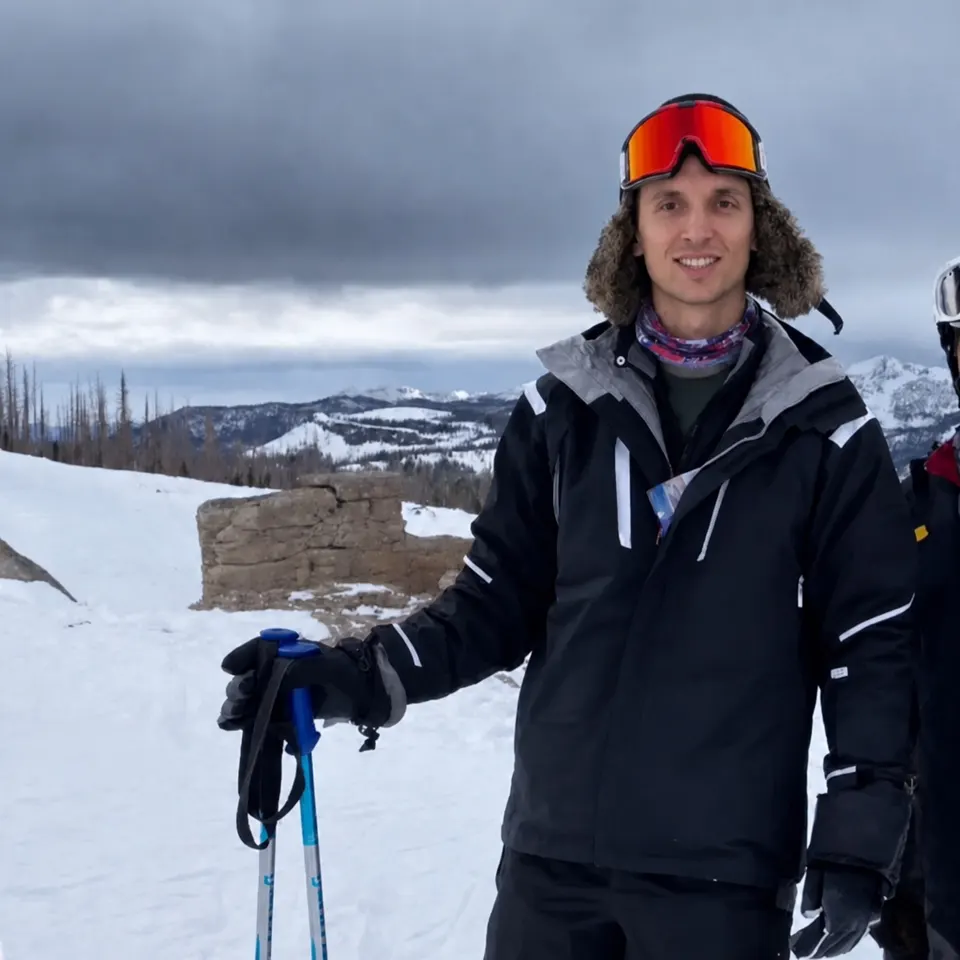
Repeat the interest, then add something to it
MJ's photos already show time around a dog and a snowy mountain setting. His example Hinge profile answers “Green flags I look for” with “You stop to say hi to every dog.” That does more than label the puppy picture. It turns his affection for dogs into something he appreciates in another person.
His answer to “My most controversial opinion is” puts ski season above beach season. The ski photo gives that preference a setting. Someone can agree, defend the beach or ask where he likes to ski. The words add a point of view that the photo alone couldn't provide.
You don't need to avoid every interest that appears in your photos. Avoid spending a whole answer telling the viewer what they can already see. “I like dogs” adds little beside a dog photo. A specific habit, preference or invitation can make the same subject worth another mention. The photos and prompt answers here come from our Hinge profile examples.
Give the words a job the photo can't do
Before writing, describe the picture to yourself in one plain sentence. “I'm standing in ski gear.” “I'm laughing with friends.” “I'm holding a puppy.” Then put that sentence aside. It's a useful description for accessibility, but it usually isn't your most interesting prompt answer.
Write what someone wouldn't know from looking. Perhaps you always pack lunch for the group, have a strong opinion about the best part of a trip, or enjoy introducing friends to a hobby. Use a detail that's true for you. The aim is to help someone imagine your company, not to invent an impressive story.
Show a scene. Give it a personal angle.
- Read the photo
Name what a stranger can already see: the activity, company or occasion.
- Add a detail
Choose a preference, short story or shared experience the picture doesn't explain.
- Leave an opening
Give someone a detail they could ask about or respond to with their own view.
The prompt should make the picture more personal, not describe it a second time.
A future goal can extend the story
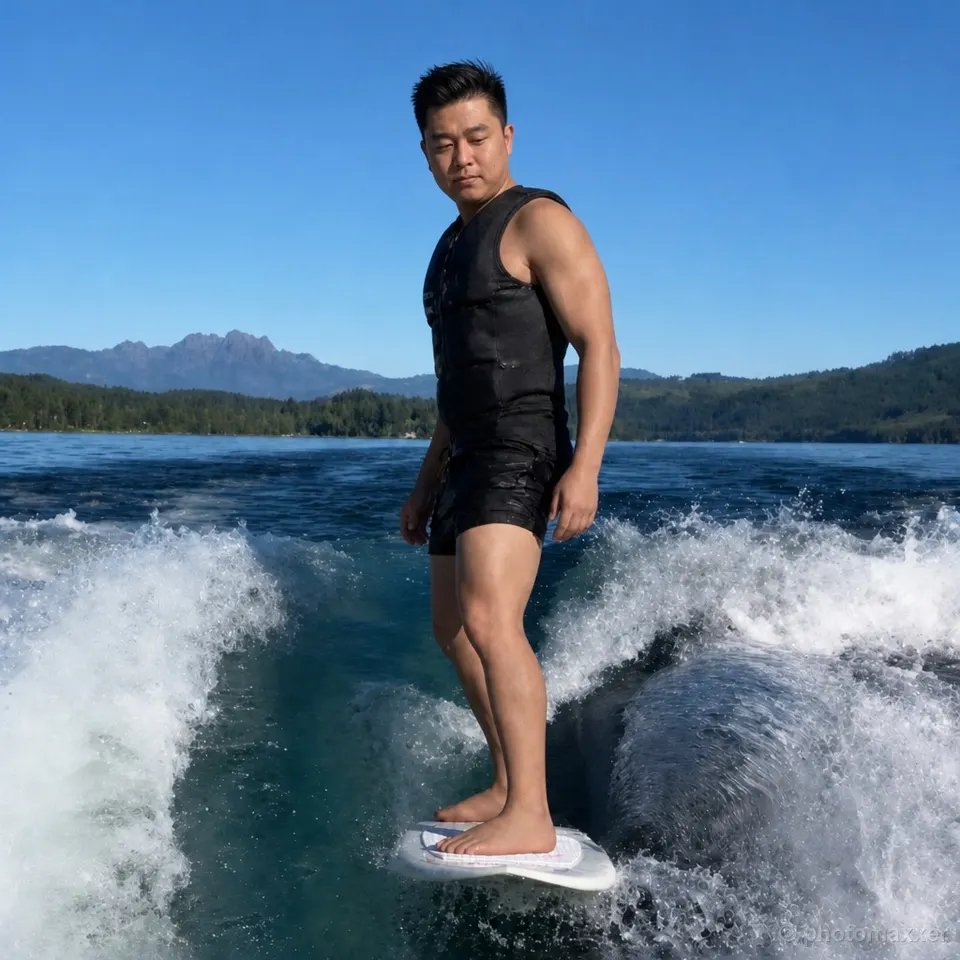
Jason's wakesurfing photo shows balance, an activity on the water and an adventurous setting. His answer to “A life goal of mine” is “Dive with hammerhead sharks off Cocos Island.” The goal fits the outdoor interests visible in the photos while introducing a different experience.
The distinction matters: the prompt says what he'd like to do. The wakesurfing photo doesn't show diving, and the wording doesn't claim he has already done it. You can be ambitious in a profile without presenting a future plan as a past achievement.
Jason also answers “One thing I'll never do again” with “Hike the Pyrenees without a map.” That gives someone a story to ask about. He doesn't need to explain the whole trip in the answer. A concrete place and a decision are enough to make the opening clear.
When you try this, stay specific without turning your profile into a travel itinerary. One goal can add direction. If every answer is a destination, the viewer may still know little about an ordinary weekend with you. Use another prompt for the everyday part of your life.
You don't need a matching prompt for every photo
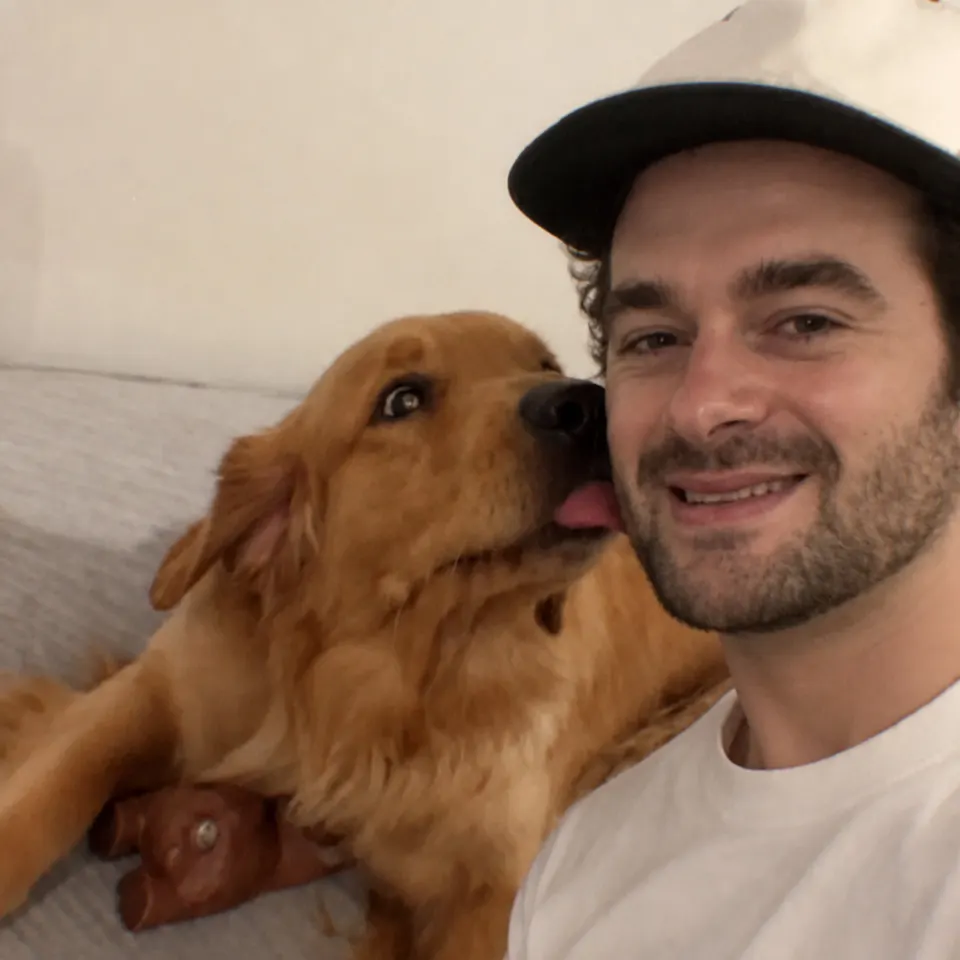

Chris's dog photo and presentation photo show different sides. The affectionate moment brings Charm and a playful feel. The presentation shows him explaining something in a visible role, which gives Status more substance than clothes alone.
His answer to “We're the same type of weird if” is “you say bless you to a sneezing dog.” It fits the playful side of the dog picture without literally describing it. He doesn't need to follow the presentation photo with a résumé paragraph just to make every image match an answer.
Think across the whole profile. Photos can show capability, social connection or a physical activity; the words can add warmth, Humor or the sort of relationship you want. They don't need to cover every trait equally. They need to leave a coherent impression with enough variety to feel like a person.
Fix contradictions, not interesting contrasts
A mountain photo and a prompt about a quiet movie night can work together. People enjoy more than one kind of evening. The problem is wording that dismisses something your photos repeatedly celebrate. “I never go out” beside a lineup of crowded nights out leaves someone to resolve the mismatch.
If your life has changed, update the photos or explain the present preference plainly. If you enjoy both, say what you mean. For example, someone who likes occasional big nights and regular quiet weekends could write, “Happy on a dance floor; just as happy making pancakes the next morning.” Borrow the idea only if it fits your life.
Finish by reading the profile in order. Remove answers that merely name the visible activity. Keep details that reveal a preference, invite a story or suggest something you could enjoy together. For help editing repeated pictures, the photo-count guide walks through when to add, replace or leave one out.