Full-Body Shots for Dating Profiles: Show More of Your Life
More of you. More of the story.
The best full-body shots show what you are doing and the life around you. Use the extra space to communicate physique, style, ruggedness, or social confidence. A distant standing pose against a blank wall wastes the opportunity.
More of you. More of the story.
What a full-body image adds to your profile
A wider frame gives someone more than a face to evaluate. It shows how you dress, what you enjoy doing, and how you occupy a setting. That is especially useful when your strongest appeal comes from your lifestyle rather than a close-up portrait.
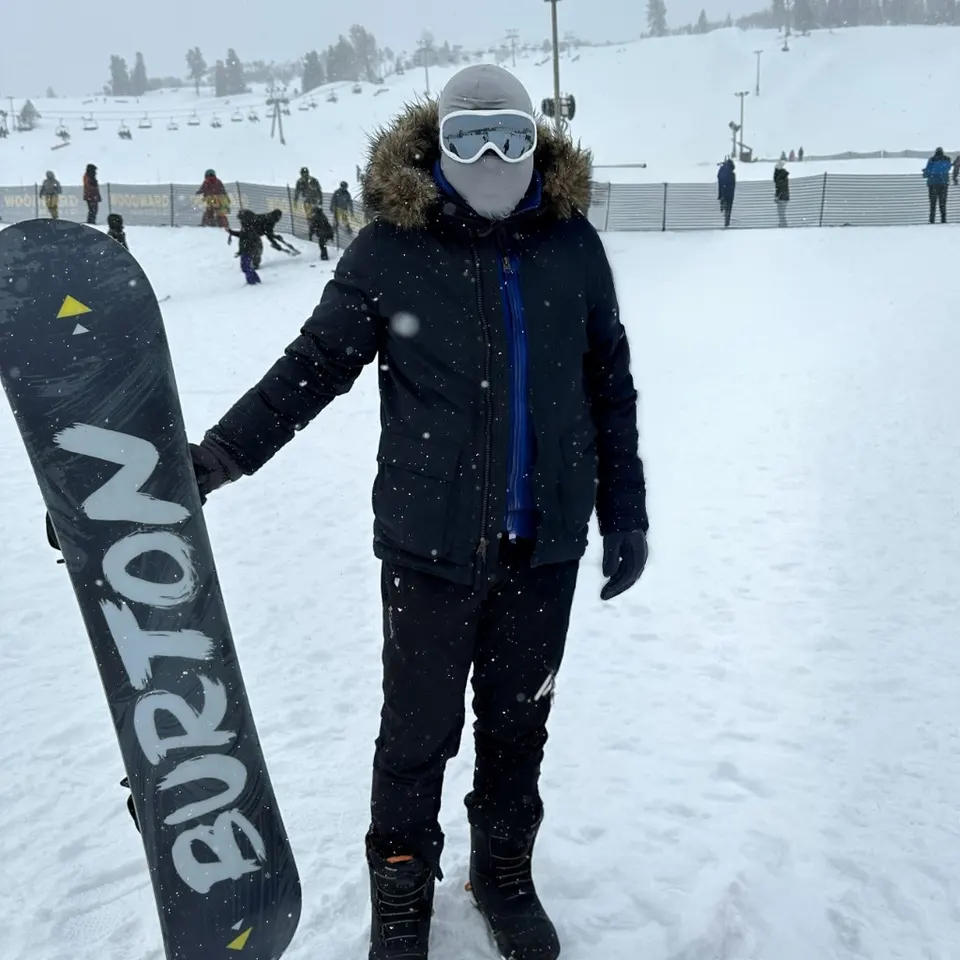
Use the space deliberately. A snowboard, a wedding dance floor, or a stage supplies information. A random stretch of empty pavement usually does not.
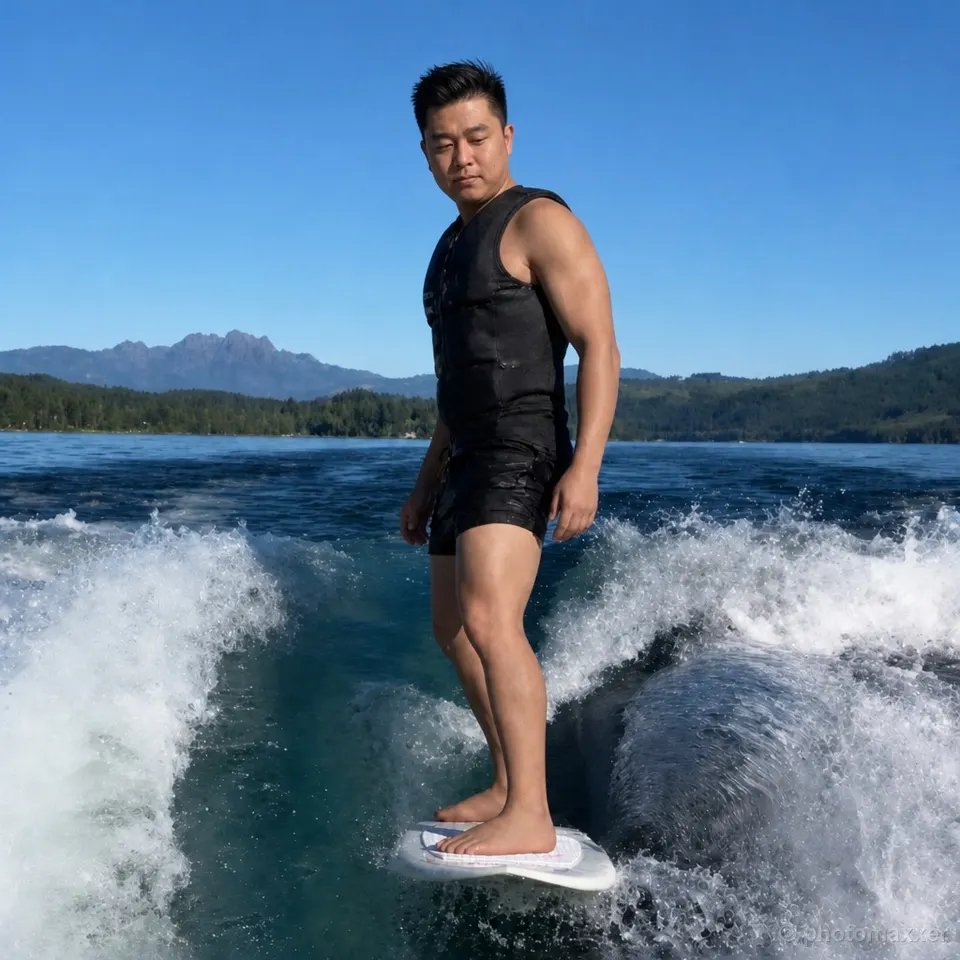
Two full-body photos with different roles.
How to take a useful full-body shot
1. Choose an activity or occasion first
Start with skiing, a race, a golf round, a wedding, a boat day, or another setting that communicates something valuable. Pick clothes that belong there. The goal is a convincing moment, not dressing for an imaginary catalogue.
2. Keep enough room for the scene
For a standing setup, start with the camera roughly two to three meters away and move until your head, shoes, and useful surroundings fit. The right distance depends on your lens and the scene. Keep a little room above and below so the app's crop does not remove important details.
Frame the person and the moment.
3. Give yourself an action
Walk toward your friends, turn to someone speaking, carry your gear, or continue the activity. If you are standing, let your weight settle naturally and avoid holding a strained pose. The frame just before or after a formal pose often contains more life.
4. Keep proportions believable
For a straightforward standing shot, a level camera around mid-body is a useful starting point. Extreme upward or downward angles can change the proportions. Move the phone and compare the result before trying to reshape the picture afterward.
The wider scene still comes first. For sports or a crowded event, choose the position that captures the action rather than forcing every photo into one camera-height formula.
5. Review the crop inside the app
Check the uploaded version. A square or tall crop may cut away the board, the people beside you, or the setting that explains the image. Reposition the crop so it preserves the photo's strongest information.
Which full-body photos belong in the lineup?
| Photo | Why it earns a place | What weakens it |
|---|---|---|
| An activity in progress | Shows physical presence, skill, and energy | A crop that hides what is happening |
| A social occasion | Shows style, connection, and confidence | You look detached from the people around you |
| An outdoor trip | Shows ruggedness and an appealing experience | You are so small that your role in the scene is unclear |
| A standing portrait | Works when clothes, posture, and setting communicate something | Nothing beyond standing in front of a camera |
Do hats and sunglasses ruin the shot?
No. Keep them when they belong to the moment. Goggles on a mountain and sunglasses on the water support the story. Rejecting the photo because it fails a blanket face-visibility rule can throw away exactly the lifestyle impression your profile needs.
Ask whether the picture communicates something appealing about you. A full-body photo does not need to double as a passport portrait.
How many full-body photos should you use?
Start with your strongest one, then add another only if it contributes a different signal. A ski image and a wedding scene do different jobs. Three similar standing poses usually do not.
For the complete lineup, use our dating-photo guide. If you need better raw material, follow the lifestyle photo plan on your next outing.
Common full-body photo questions
Does it have to show every part of my shoes?
A true head-to-toe example includes the feet. In a dating profile, an effective activity photo still has value if a small crop does not show every detail. Choose the useful impression over a rigid framing rule.
Should I use a shirtless photo?
Use the setting to decide. Swimwear on a boat or beach fits the experience. A shirtless mirror pose gives the viewer far less lifestyle information. Our shirtless-photo selection guide compares the scene, the expression and the rest of your lineup.
Is a mirror selfie enough?
It shows an outfit, but often little else. An activity or social scene gives the same space more work to do.
Method notes
Reviewed October 19, 2026. Framing distances and lineup choices are practical starting points, not app requirements. The examples link to the original profile galleries.