Dating Profile Photoshoot Plan: Leave With Photos You Can Use
Plan the missing moments, then choose what earns a place.
Plan a dating-profile photoshoot around the pictures your lineup is missing. Choose an activity or occasion, write a short list of useful moments and check the results before you leave. The goal is to come home with distinct options you can use, rather than a folder full of the same pose in different places.
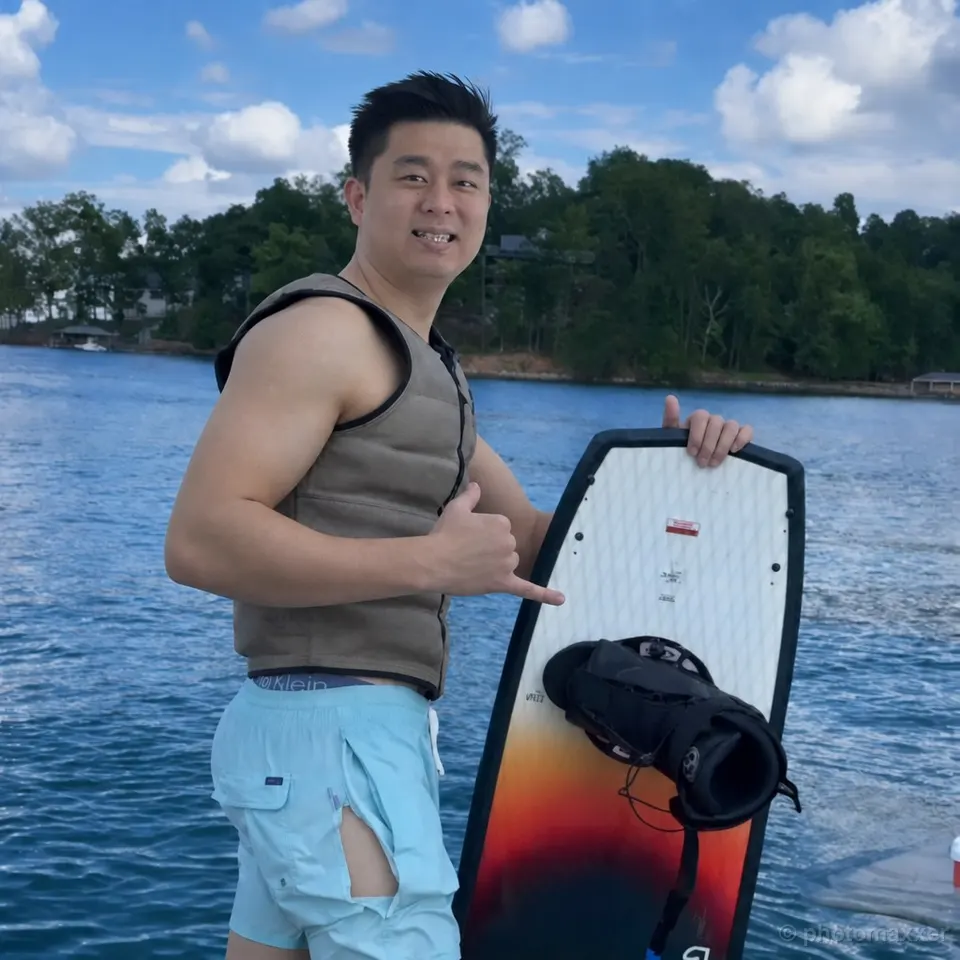
Give the shoot a specific job
Jason's board photo is a useful example of a frame you can plan for. The equipment and water explain the interest, his expression is easy to see, and the pause is simpler to photograph than fast action. You can ask for a moment like this without needing every part of the outing to go perfectly.
Look at the photos you're already keeping. If they show your face well but say little about your interests, make an activity your priority. If they're all solo adventures, plan a shared moment. If they're mostly formal events, aim for something more relaxed. Write down the gap before deciding where to go.
Keep that brief small. “An outdoor interest and a warmer social moment” gives the session direction. “Show every attractive trait” gives everyone an impossible checklist. You don't need equal coverage of Face, Height, Physique, Money, Ruggedness, Status, Popularity, Charm and Humor in one afternoon.
Turn the goal into moments someone can photograph
For each missing impression, name an action and the detail that explains it. “Me holding the board by the water” is more useful than “something sporty.” “Us laughing over a game” gives a photographer more to work with than “make me look social.”
A simple plan for a casual activity outing could be:
- Priority: a recognizable view of you with the equipment and setting that explain the activity.
- Second option: a shared moment with the person you're spending time with.
- If it happens naturally: a relaxed expression during the break afterward.
These are options to capture, not three mandatory profile slots. You may keep only one. If the frames all tell the same story, choose the strongest and let photos from another occasion add variety.
Make a plan you can actually finish
- Pick the gap
Name what the existing profile doesn't show yet.
- Plan the moment
Choose an action, the useful context and a simple backup.
- Check before leaving
Confirm you have a usable option while you can still try again.
Get the priority photo first. Treat the rest as useful possibilities.
Prepare the outing, clothes and camera together
Choose a place that supports the activity and a backup that preserves the same idea. If a court is unavailable, another nearby court makes sense. A random wall may give you somewhere to stand, but it won't solve the missing activity photo. The location guide helps you match the place to the picture's purpose.
Check opening times, access and the weather before setting off. Agree with your friend or photographer on the priority frames and when you'll pause for them. If the outing depends on other people, make the photo request before everyone is about to leave.
Wear what fits the activity. Bring a layer or change only if the next part of the plan calls for it. An outfit swap won't make several identical poses tell different stories. The same-outfit guide explains how to judge variety beyond clothing.
Charge the phone, check storage and clean the lens. If someone else is taking the pictures, agree to get the original files afterward. Those small preparations prevent an otherwise useful session from ending with only screenshots or missed moments.
Leave room for the unplanned picture
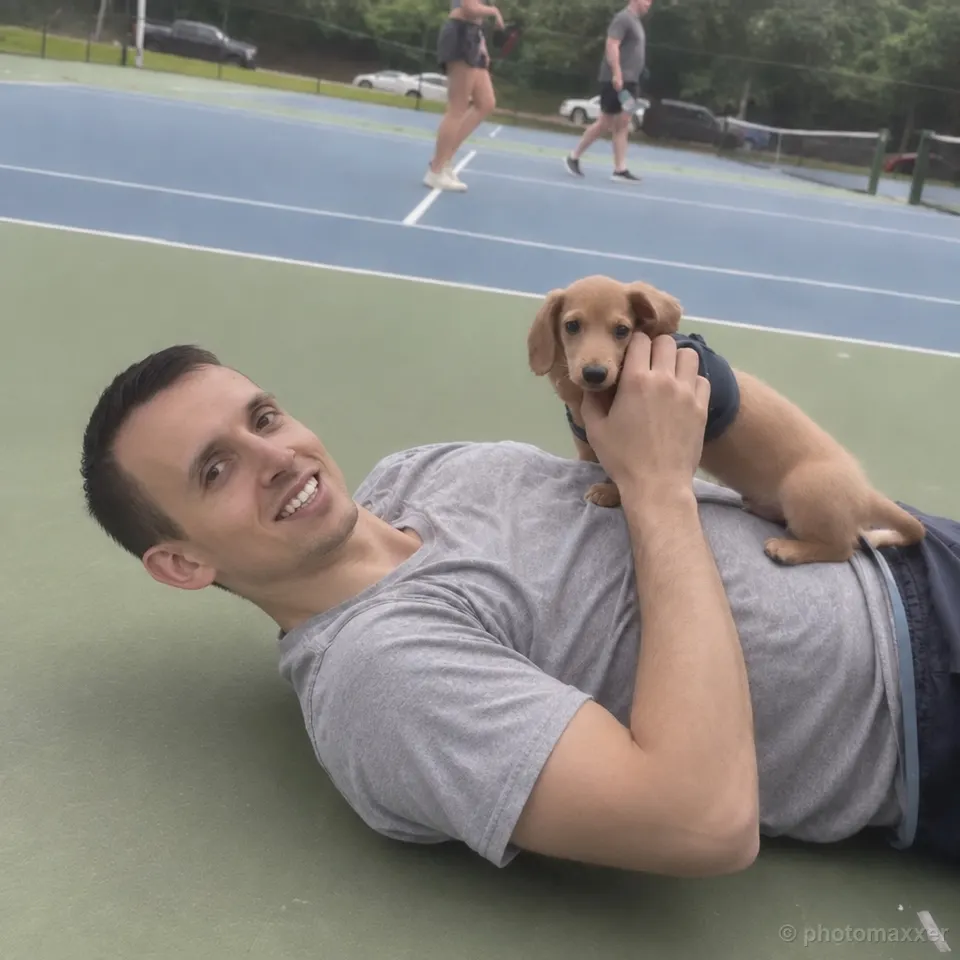
MJ's puppy photo shows why a rigid pose list can miss the interesting part. The court explains the setting, but the close interaction with the puppy supplies warmth and playfulness. A moment like this can add more personality than another standing shot with sports equipment.
You can't schedule that exact interaction, and you don't need to recreate it. Leave enough flexibility to notice a laugh, a pet approaching or an easy exchange between activities. Once the priority frame is covered, let the outing offer something else.
Ask for a short sequence instead of freezing one expression for a long time. If you're using an iPhone, Apple's Burst mode guide explains how to capture several frames and select individual keepers. Whatever camera you use, look for the frame where the interaction reads clearly.
Check the priority frame while you can still fix it
Pause after the first attempt. Is your expression visible? Is the useful equipment or other person still in the frame? Can you understand the moment at phone size? If not, change one thing and try again.
Give a specific correction: “Keep the board in,” “Come a little closer,” or “Take it while we're talking.” That keeps the session moving. The guide to asking a friend has more ways to make the brief easy to follow.
Once you have a usable option, move on. You can refine the selection later; you don't need to inspect every eyelash while everyone waits. Save the pictures that tell the intended story and continue with the day.
Leave future occasions on the list
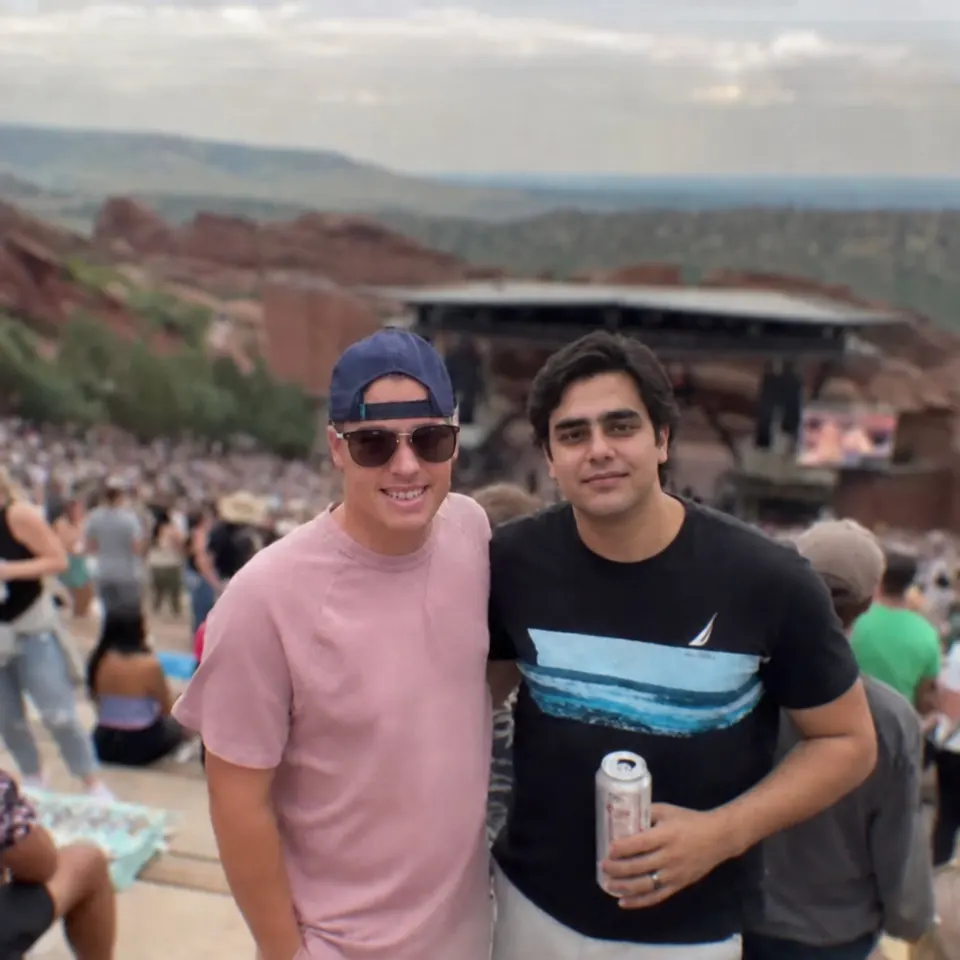
Zain's concert photo combines company and a shared interest in a setting you wouldn't add to a casual shoot just for variety. Some pictures are better collected when the occasion comes around. Put “a photo with friends at the next show” on your future list instead of forcing your entire social life into one session.
After the shoot, compare the shortlist with the photos you already have. Keep the best new contribution, then identify what's still missing. A useful session can improve one part of the profile without replacing everything.
Finish with a smaller, stronger lineup rather than every photo you worked to get. The time spent capturing a picture doesn't earn it a permanent slot. What matters is whether it gives someone another good reason to want to meet you.